


No matter where you sell your books and the genre you write, you have a ton of competition. You have to figure out how to stand out from the crowd. Understanding the intricacies of marketing your books can significantly impact your success. You can use many strategies and techniques to attract new readers and market your books, including listing your links on your webpage.
Know Your Audience
One of the most important factors of marketing anything is knowing your audience. You need to know what readers are into your writing style and genre. Conduct research to find out your readers' preferences and reading habits. You'll also need to conduct a demographic survey so you know who to target. Demographics may include:
- Age
- Children (0-12)
- Young adults (13-18)
- Adults (18-64)
- Seniors (65+)
- Gender
- Male
- Female
- Socioeconomic Status
- Low income
- Middle income
- High income
- Education
- Did not graduate high school
- High school
- Some college
- Associate's degree
- Bachelor's degree
- Master's degree or higher
- Occupation
- Student
- White collar job
- Blue collar job
- Artists and creatives
- Homemakers
- Race / Ethnicity
- White
- Black / African American
- Hispanic / Latino
- Asian
- Native American / Indigenous
- Multiracial
- Geographic Location
- Urban
- Suburban
- Rural
- Region (e.g., Northeast, Midwest, South, West, PNW)
- Nationality (e.g., American, British, European, Australian)
- Marital Status
- Single
- Married
- Divorced
- Widowed
- Family Status
- Parents
- Childless couple
- Single-parent household
- Empty nester
- Multigenerational household
These are just some examples. You can add to the categories or add additional categories. For example, under 'Gender,' you might want to add non-binary, genderqueer or genderfluid. Under socioeconomic status, you may want to use dollar figure brackets instead of low/middle/high income.
Understanding demographics can determine many factors, including book cover design, marketing channels, messaging, and promotional activities, to better connect with your audience.
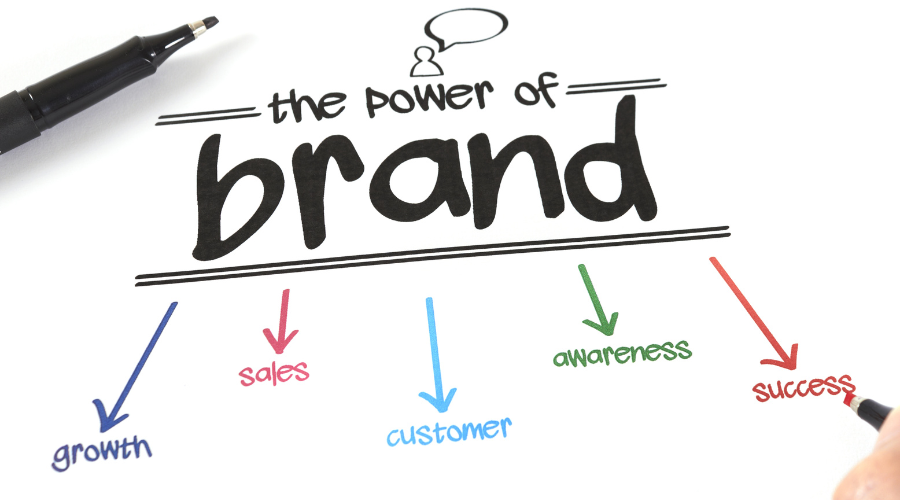
Develop a Compelling Brand
Your brand is more than your name – it's the essence of your literary identity. Define what sets your writing apart and create a compelling brand story that resonates with your audience. Your author website, social media profiles, and other marketing avenues should have the same logos, color schemes and messaging to create a memorable and cohesive brand presence.
Put Social Media to Use
Social media platforms can be powerful tools for authors to connect with readers and promote their books. Identify platforms where your target audience is most active. Establish a strong presence.
Engage with your followers by sharing behind-the-scenes glimpses into your writing process, hosting question-and-answer sessions, initiating discussions related to your genre, and responding to comments on your posts. Use Facebook and Instagram stories and X chats to expand your reach and drive book sales.
Hook Up with Book Bloggers and Bookstagrammers
These literary community influencers often have many followers looking for the next new read. Research bloggers and influences who specialize in your genre and offer them review copies or author interviews. You can significantly boost visibility with positive reviews and endorsements from trusted sources.
Create an Author Platform
An author platform encompasses various channels to engage your audience and promote your work. Establish a presence on sites such as Substack and Goodreads, where readers gather to discover new books, leave reviews and participate in discussions. Explore opportunities to contribute guest posts to relevant blogs or websites in your niche to expand your reach and establish authority in your genre.
You Can Judge a Book by its Cover
Well, not really. But many people do. If possible, invest in a professional book cover design. While most indie authors do not have the money to do this, you can take the time to design your book cover so that it visually represents your story and resonates with your target audience. Captivating book covers can intrigue readers and entice them to explore further.

Email Marketing
One of the most effective ways to nurture relationships with your readers is through email marketing. You can build an email list by offering incentives such as exclusive content, giveaways and sneak peeks. Segment your email list based on your readers' preferences and interests so you can tailor the emails to specific groups of readers. You'll also be able to deliver personalized recommendations and updates about your new releases.
Host Virtual Book Launches and Events
Virtual events are an alternative for authors to connect with readers. You can also use a virtual book launch or event to generate buzz around your book. Author readings and interactive Q&A sessions via Zoom are also great ways to reach more readers. You can even collaborate with other authors and cross-promote each other.
Encourage Reviews and Testimonials
Reviews serve as proof that your book has quality and appeal and often influence potential readers to purchase your book. Encourage your readers to leave reviews on Goodreads, BookBub, Amazon and other platforms by including a call-to-action in your book's back matter or through targeted email campaigns. You can also ask for testimonials from satisfied readers and influential figures in your genre to feature on your website and promotional materials.
Stay Informed
The book marketing landscape is always changing. New platforms, trends and technologies emerge regularly. Stay informed about industry developments and be willing to adapt your marketing strategies. Always monitor your marketing efforts, analyze data and feedback, and make changes where necessary to optimize results and maximize the impact of your books.
Marketing your books is a blend of persistence, creativity and adaptability. When you understand your audience, you can craft a compelling brand and leverage a diverse range of marketing channels and tactics to connect with readers and effectively promote your books.

Comments